

This week, I will conclude my Summer series and begin my final preparations for the new semester, which starts at the end of August at West Valley College. I hope this mini-series has been useful, and I welcome any suggestions or corrections from anyone who would like to continue this dialogue.
In recent weeks, I have shared a series of strategic insights focused on a segment of the healthcare sector that is often overlooked but has significant potential for impact: medical office buildings (MOBs) and small or minority-group healthcare organizations. When budgets become tight, healthcare leaders often feel the need to compromise on the physical environment. However, evidence-based design suggests a different approach. If you missed any part of this series, here is the complete executive roadmap for shifting your perspective from initial costs to long-term asset value:
1. Zero-Cost Interventions (Habits & Maintenance Protocols)
Before investing any money in remodeling, assess your daily operational habits. Perceived cleanliness significantly influences patient trust and helps reduce anxiety. By establishing structured end-of-day reset protocols and minimizing visual clutter, you can activate the “Design Placebo” effect. This demonstrates that exceptional care starts with disciplined habits.
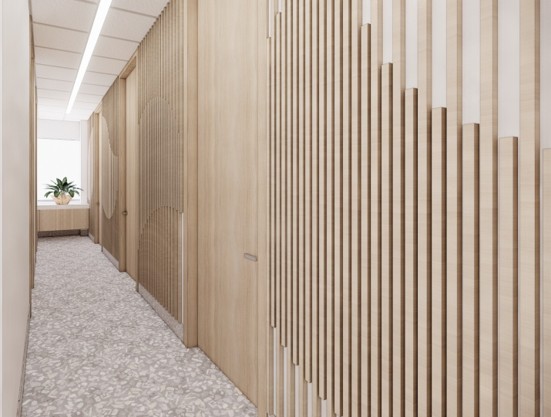
2. Low-Cost Upgrades (Strategic Quick-Wins)
Minor capital adjustments can significantly influence psychological well-being without the need for local building permits. For example, changing outdated fixtures to LED lamps with appropriate color temperatures and adequate lumen output, applying high-performance microbicidal wall coatings (repainted every two years for 99.9% biosecurity), or selecting culturally relevant color palettes can have a profound impact. These small investments can lead to substantial improvements in patient comfort.
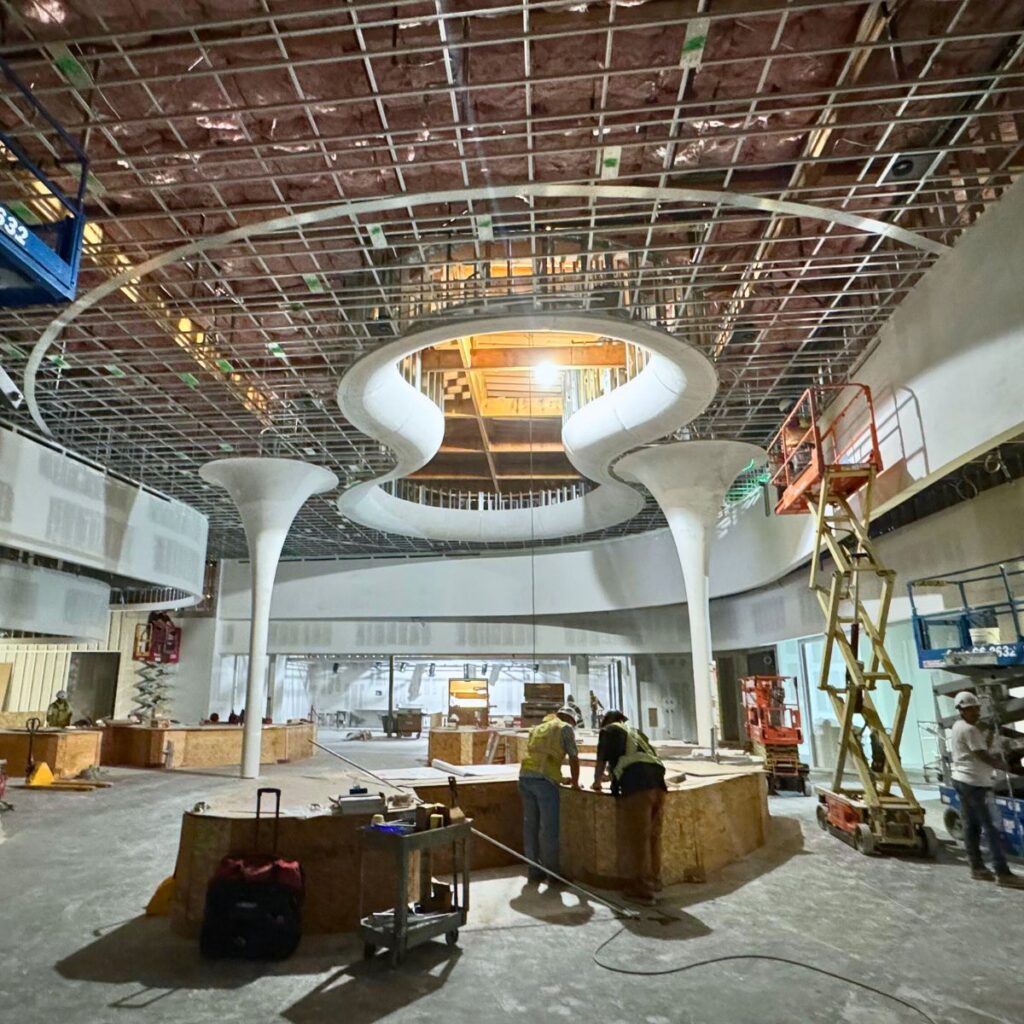
3. First Cost vs. Life-Cycle Cost (The Smarter Investment)
While major infrastructure components such as HVAC systems (50%) and electrical systems (20%) consume the majority of the construction budget, interior architectural finishes make up only a small fraction of the total cost. Despite this, patients come into contact with floors and walls every second. By investing a bit more upfront in durable, PVC-free, or easily cleanable materials, healthcare facilities can prevent operational downtime, save thousands in maintenance costs, and help close the health equity gap.
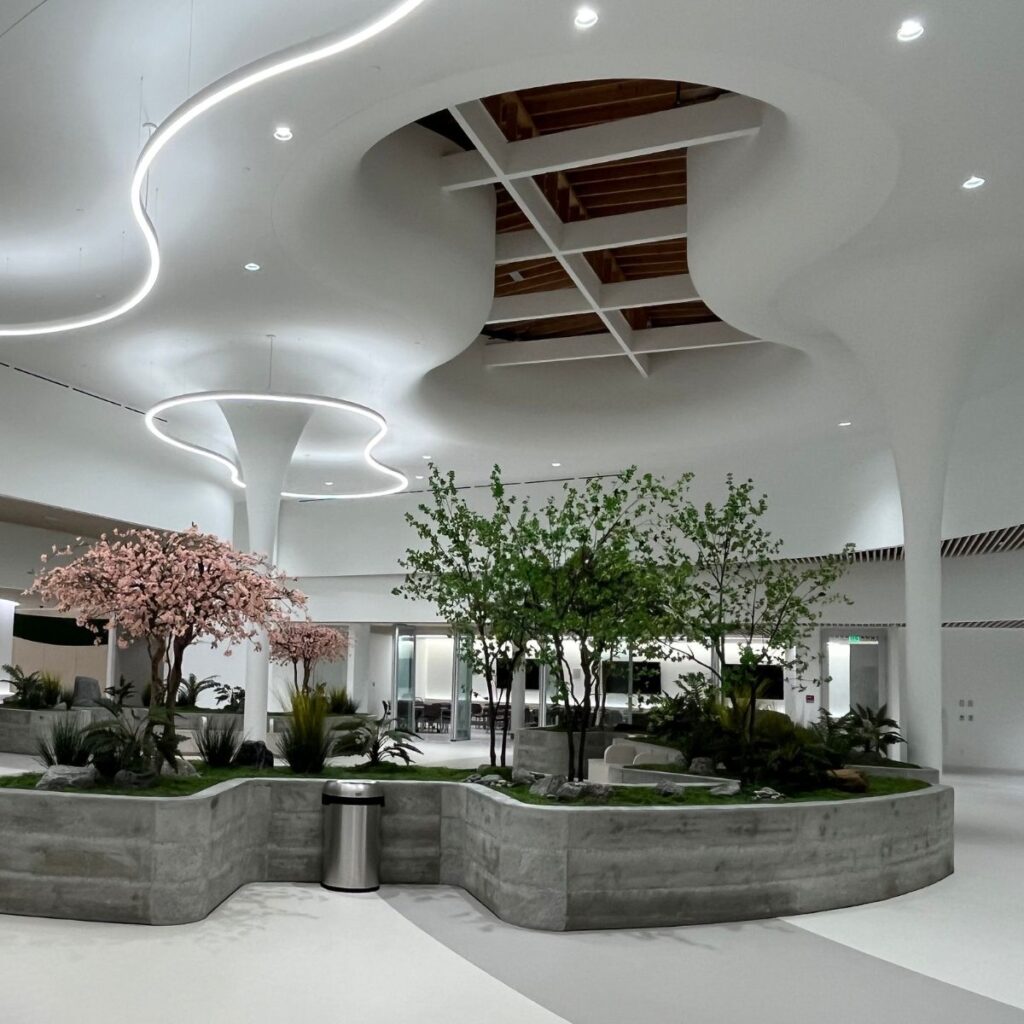
4. Aligning Budgets with Reality (The Soft Cost Trap)
In densely regulated clinical environments, reducing design fees significantly increases project risk. When healthcare procurement officers shorten timelines and cut design fees during the RFP stage, they deprive the team of crucial hours needed for engineering coordination on paper. A well-funded and well-coordinated design and contract administration phase serves as an insurance policy, ensuring that your facility opens on time and within budget.
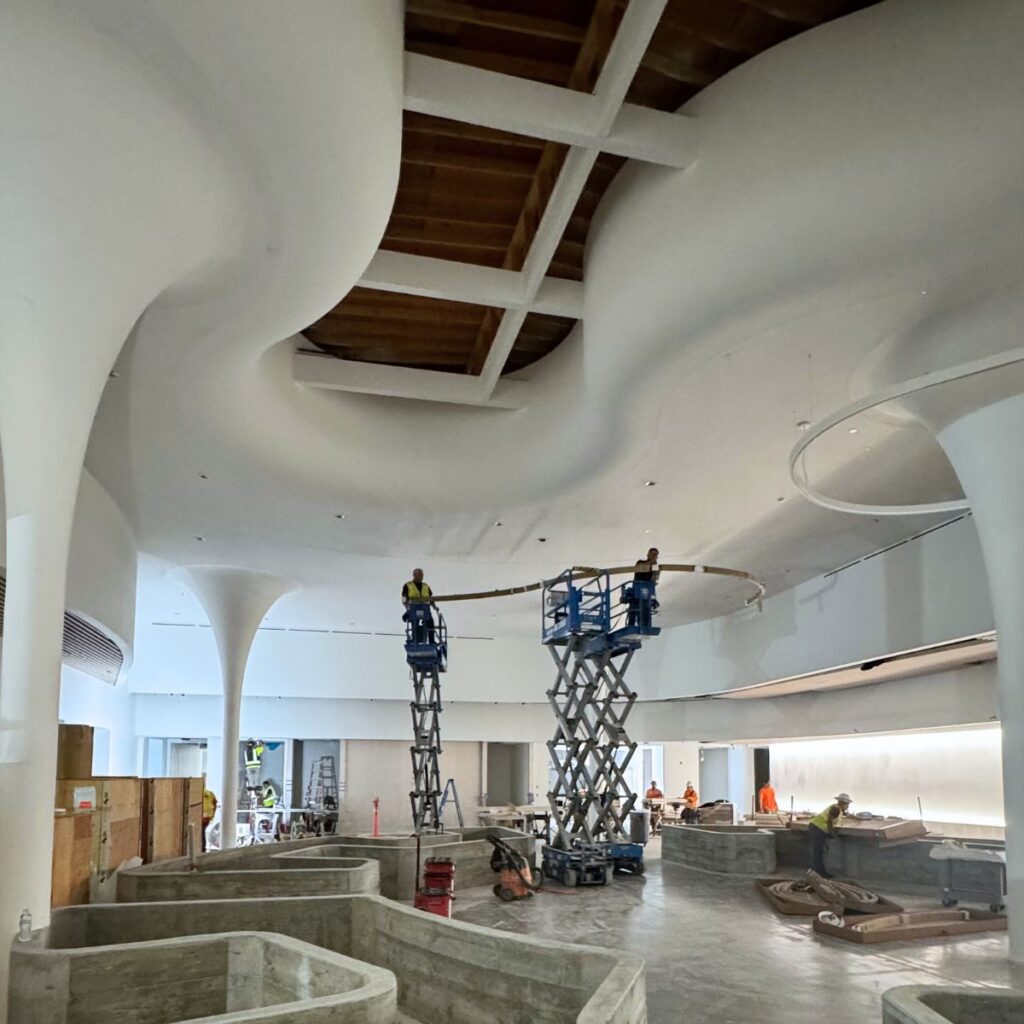
5. Capturing the Underserved Ambulatory Market (The Mid-Sized Firm Advantage)
Large tier-one design firms primarily concentrate on major institutional acute expansions. However, outpatient care has now emerged as the main driver of growth in the healthcare sector. JLL has explicitly projected an 8% increase in volume for outpatient facilities over the next five years, while inpatient growth remains stagnant at just 1%. By shifting focus to localized projects within specific jurisdictions (OSHPD/HCAI 3), nimble and specialized teams can capitalize on a high-yield strategic niche. These teams have the ability to outpace larger corporate firms by providing focused, culturally sensitive, and evidence-based design solutions.

The Bottom Line: Healthcare design should not be exclusive to large hospital conglomerates. By shifting the conversation from commodity-driven bidding to effective asset protection, we can create dignified spaces that safeguard clinical margins, honor frontline staff, and uplift vulnerable communities.
Thank you to everyone who read, liked, and commented throughout this short series!
Let’s continue the conversation: Which of these five levers do healthcare providers and design professionals find most challenging to execute in today’s market? Let’s discuss in the comments below!
#HealthcareDesign #HealthEquity #EvidenceBasedDesign #AmbulatoryCare #CommercialRealEstate #FacilityManagement #LifeCycleCost #Architecture #InteriorDesign